BRAND
Bharat vs India — why we build for the villages
भारत बनाम India — हम गाँवों के लिए क्यों बनाते हैं
Published 2026-02-20 · Aarambha प्रकाशित 2026-02-20 · आरम्भ
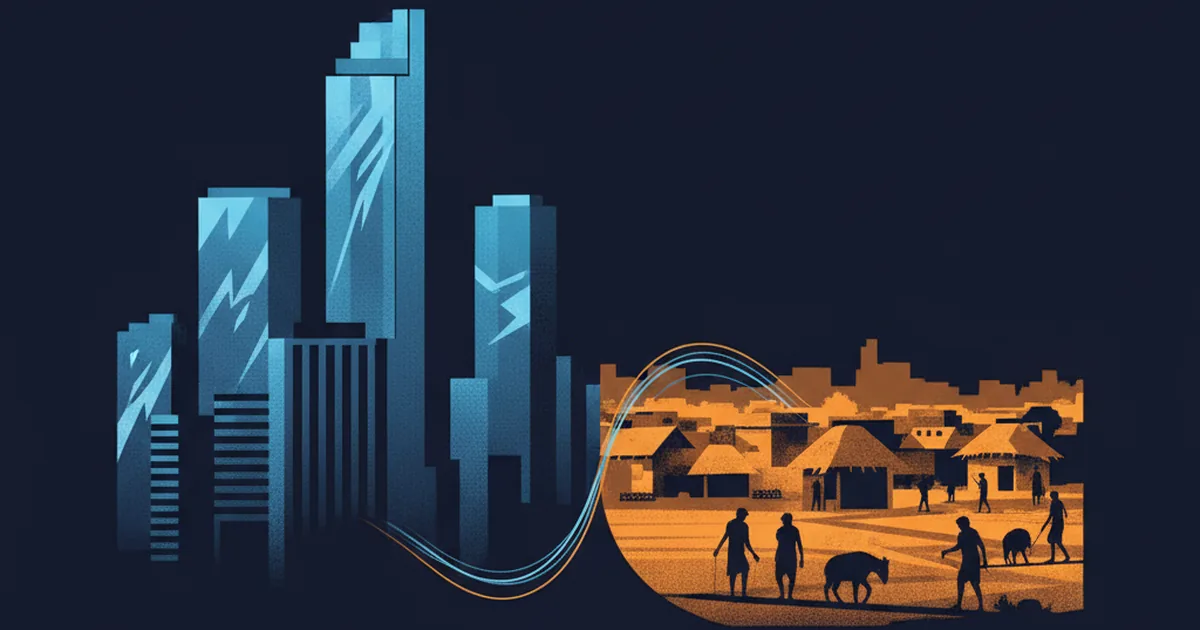
The Great Divide: Why Aarambha is Building for Bharat, Not Just India
Let's talk about India. Not the India you see on prime-time news, nor the India that dominates startup funding rounds. We’re talking about the real India, the one that lives and breathes in the heartlands, the one often overlooked by the gleaming towers of innovation. At Aarambha, we’ve made a deliberate, data-backed choice to build for this India – an India we affectionately call Bharat.
For too long, the narrative around tech and AI in our country has been skewed. It’s a narrative shaped by a segment, for a segment. We're here to change that, because the potential, the need, and the sheer volume of Bharat demands it.
Understanding the Two Indias
Imagine two distinct nations coexisting within our borders. That’s essentially what we have. Let’s break them down:
- India (The Metro-Centric View): This is the India of approximately 20 crore English speakers. It’s concentrated in our metros and Tier 1 cities. This is where the venture capital flows, where the news headlines are made, and where most global tech companies focus their efforts. Their problems, their language, their data consumption patterns – these are the default assumptions for product development. They are digitally savvy, often early adopters, and have access to high-speed internet.
- Bharat (The Real India): Now, shift your gaze. This is the India of a staggering 120 crore people. This is where Hindi and hundreds of regional languages truly thrive. This is Tier 2, Tier 3, and Tier 4 cities, and more importantly, our villages. This is the India that every major AI company, every big tech player, has largely ignored. Why? Because the assumptions made for the "India" segment simply don't hold true here. Their needs are different, their challenges unique, and their digital landscape far less forgiving.
The numbers alone tell a powerful story. We're talking about a six-fold difference in population. A market segment that is six times larger, yet disproportionately underserved.
The Chasm of Assumptions: Why Bharat Remains Underserved
So, why does this massive gap exist? Why, despite the obvious market size, has Bharat been left behind in the AI revolution? It boils down to a fundamental misalignment of assumptions:
Design Assumptions: Built for the Few, Not the Many
Most AI products, whether global or local, are designed with a specific user in mind – the English-speaking, urban, tech-literate individual. This manifests in several ways:
- Visual Interfaces: Products are often text-heavy, relying on users to read and comprehend complex instructions or options. This is a barrier for those with lower literacy levels or who prefer auditory learning.
- Feature Overload: The drive to pack in features, while appealing to the tech-savvy, can overwhelm users in Bharat who need simplicity and direct solutions to specific problems.
- Connectivity Dependency: Many AI applications assume constant, high-speed internet access, which is not a reality for large parts of Bharat.
Language Assumptions: English-First, Everyone Else Later (Maybe)
This is perhaps the most glaring oversight. The vast majority of AI models and products are trained primarily on English data. When other languages are supported, it's often an afterthought, a translation layer rather than a native understanding.
"When we talk about 'global' AI, we often mean 'English-first' AI. But for 120 crore people in Bharat, 'global' has to mean 'local language-first'."
For the Hindi speaker, the Marathi speaker, the Bengali speaker – the AI experience is often clunky, inaccurate, or simply unavailable. This isn't just an inconvenience; it's an exclusion. It means the power of AI, its ability to democratize information and services, bypasses the very people who could benefit from it most.
Market Assumptions: The Myth of the Unprofitable User
There's a prevailing notion that building for Bharat isn't "sexy" or profitable enough. Investors often chase the "next big thing" in metros, overlooking the immense, untapped potential in smaller towns and villages. The perceived lower ARPU (Average Revenue Per User) for these segments leads to a lack of investment and innovation.
But this is a short-sighted view. While individual transactions might be smaller, the sheer volume of users in Bharat represents an colossal market. Furthermore, the problems they face are often foundational and impactful, meaning solutions can create immense value and loyalty.
What Bharat Truly Needs from AI: A Voice-First, Low-Data Future
At Aarambha, our deep dives into the heart of Bharat have revealed clear, undeniable needs. We aren't guessing; we're observing, listening, and building based on real-world requirements:
Voice-First Interaction: The Natural Interface
For millions, typing in English or even regional scripts is not natural, or even possible. Voice is the most intuitive and accessible interface. Whether it's asking a question, getting information, or completing a transaction, AI needs to understand and respond in natural, conversational Hindi and other regional languages. This isn't just about translation; it's about nuanced understanding of local dialects and accents.
Native Hindi & Regional Language Understanding: Beyond Translation
We need AI that thinks and processes in Hindi, not just translates from English. This means building foundational models trained extensively on rich, diverse datasets of Indian languages. It’s about understanding cultural context, idiomatic expressions, and the subtle nuances that make communication truly effective. This is a core part of our philosophy at Aarambha.
Audio-Centric Solutions: Information on the Go
Many users in Bharat consume content and information through audio. AI products need to leverage this. Think about audio summaries, voice assistants that read out news, market prices, or government schemes. This is crucial for those with limited screen access, visual impairments, or simply a preference for listening while working.
Low-Data & Offline Capabilities: Bridging the Connectivity Gap
Internet connectivity in Bharat is improving, but it's far from perfect. AI solutions must be designed to work efficiently on low bandwidth, and ideally, have significant offline capabilities. This means smaller model sizes, efficient data transfer, and the ability to perform core functions even without a constant internet connection. Our products are specifically engineered with this challenge in mind.
The Data Speaks: 600K Villages, Zero Native AI
Let’s look at the numbers again, but with a new lens. We have:
- Over 600,000 villages across our country.
- A significant and growing number of these villages now have internet access, even if it's intermittent or low-speed. The smartphone penetration is undeniable.
- Yet, for these 600,000 villages, there are virtually zero AI products that are truly native to their language, their needs, or their digital environment.
This isn't just a market opportunity; it's a moral imperative. It's about empowering communities, providing access to information, education, healthcare, and economic opportunities that have historically been out of reach. It’s about building an inclusive digital future for everyone.
At Aarambha, we are not just building technology; we are building bridges. Bridges between the two Indias, ensuring that the power of artificial intelligence serves all 140 crore people, not just a privileged few. Our journey is just beginning, and we invite you to understand more about our story and the impact we aim to create.
India बनाम Bharat: The Great Divide
जब हम ‘भारत’ की बात करते हैं, तो अक्सर हमारे दिमाग में एक ही तस्वीर बनती है – मेट्रो शहरों की, इंग्लिश बोलने वाले लोगों की, स्टार्टअप्स की, और उन चमक-दमक वाली कंपनियों की जिन्हें करोड़ों की फंडिंग मिली है। यही है ‘India’ – वो 20 करोड़ लोग जो हमारी अर्थव्यवस्था का एक बड़ा हिस्सा हैं, जो ऑनलाइन शॉपिंग करते हैं, इंग्लिश में ट्वीट करते हैं, और जिनके लिए हर नया टेक प्रोडक्ट सबसे पहले आता है। इनके लिए AI बन रहा है, इनके लिए apps बन रहे हैं, और इन्हीं के लिए मार्केटिंग की जाती है। इन्हें सब कुछ मिलता है, और वो भी सबसे पहले।
लेकिन, फिर आता है ‘भारत’। ये वो 120 करोड़ लोग हैं जो शायद इंग्लिश नहीं बोलते, जो टियर-2, टियर-3 शहरों या गाँवों में रहते हैं, जो हिंदी या अपनी क्षेत्रीय भाषाओं में सोचते और बात करते हैं। यही वो लोग हैं जिनके पास स्मार्टफोन तो है, लेकिन शायद वो उसे पूरी तरह से इस्तेमाल नहीं कर पाते क्योंकि इंटरफेस इंग्लिश में है। इनके लिए AI? इनके लिए कोई खास प्रोडक्ट? शायद नहीं। या अगर है भी, तो वो किसी बड़े शहर की कंपनी ने अपने इंग्लिश-स्पीकिंग यूज़र्स को ध्यान में रखकर बनाया है और बस हिंदी में ट्रांसलेट कर दिया है। ये ट्रांसलेशन अक्सर इतना खराब होता है कि यूज़र को लगता है कि प्रोडक्ट उनके लिए बना ही नहीं।
Aarambha में हम इसी गैप को भरने की कोशिश कर रहे हैं। हम मानते हैं कि इनोवेशन सिर्फ इंग्लिश बोलने वाले 20 करोड़ लोगों के लिए नहीं होना चाहिए, बल्कि उन 120 करोड़ लोगों तक भी पहुँचना चाहिए जो भारत की असली आत्मा हैं। हमारा फोकस ‘भारत’ पर है – उन लोगों पर जिनके लिए किसी ने AI नहीं बनाया।
यह गैप क्यों है? डिज़ाइन, भाषा और बाज़ार की गलत धारणाएँ
यह गैप रातोंरात नहीं बना है। इसके पीछे कई गहरी जड़ें हैं – डिज़ाइन की गलत धारणाएँ, भाषा को लेकर हमारी सोच, और बाज़ार को समझने में हुई चूक।
डिज़ाइन की गलत धारणाएँ
जब भी कोई टेक प्रोडक्ट बनता है, तो डिज़ाइनर्स और प्रोडक्ट मैनेजर्स अक्सर अपने आसपास के लोगों को ही यूज़र मान लेते हैं। अगर आप बेंगलुरु या दिल्ली में काम कर रहे हैं, तो आपके यूज़र भी शायद आपकी तरह ही होंगे – टेक-सेवी, इंग्लिश बोलने वाले, और हाई-स्पीड इंटरनेट वाले। ऐसे में जो प्रोडक्ट बनता है, वह इन्हीं लोगों की ज़रूरतों को पूरा करता है।
- Visual First Approach: हम मानते हैं कि यूज़र्स को बहुत सारे टेक्स्ट और कॉम्प्लेक्स इंटरफेस पसंद आएंगे। लेकिन, ‘भारत’ में कई लोग ऐसे हैं जो साक्षर तो हैं, पर उन्हें स्क्रीन पर बहुत कुछ पढ़ना या समझना मुश्किल लगता है। उनके लिए विजुअल के साथ-साथ वॉयस और ऑडियो का महत्व कहीं ज़्यादा है।
- Contextual Blindness: शहरी यूज़र्स के लिए जो फीचर उपयोगी हैं, वे ग्रामीण यूज़र्स के लिए शायद उतने प्रासंगिक न हों। उदाहरण के लिए, मेट्रो में ट्रैफिक अपडेट बहुत ज़रूरी है, लेकिन गाँव में शायद मौसम की जानकारी या फसल की कीमत ज़्यादा मायने रखती है।
भाषा को लेकर हमारी सोच
सबसे बड़ी गलती जो हम करते हैं, वह है भाषा को सिर्फ ट्रांसलेशन तक सीमित समझना। हम सोचते हैं कि अगर किसी इंग्लिश प्रोडक्ट को हिंदी में ट्रांसलेट कर दिया जाए, तो वह ‘भारत’ के लिए तैयार है। लेकिन, भाषा सिर्फ शब्दों का समूह नहीं है। यह संस्कृति है, यह सोचने का तरीका है, यह मुहावरे हैं, और यह भावनाओं का इज़हार है।
- Literality vs. Nuance: गूगल ट्रांसलेट जैसा कोई टूल भले ही शब्दों का अनुवाद कर दे, लेकिन वह भाषा की बारीकियाँ, स्थानीय बोलियाँ और सांस्कृतिक संदर्भ नहीं पकड़ पाता। “क्या हाल है?” का जवाब “बढ़िया” हो सकता है, लेकिन अगर AI इसे “excellent” समझकर आगे बढ़ता है, तो वह बातचीत की गहराई खो देता है।
- Regional Diversity: भारत में सिर्फ हिंदी ही नहीं है। यहाँ दर्जनों प्रमुख भाषाएँ और सैकड़ों बोलियाँ हैं। हर 100 किलोमीटर पर भाषा बदल जाती है। इन सबकी अपनी एक पहचान है, अपनी एक ज़रूरत है।
बाज़ार की गलत धारणाएँ
कई कंपनियां मानती हैं कि ‘भारत’ के पास खर्च करने की क्षमता कम है, या वे टेक प्रोडक्ट्स को अपना नहीं पाएंगे। यह एक बहुत बड़ी गलत धारणा है।
- Purchasing Power: गाँवों में भले ही प्रति व्यक्ति आय शहरों जितनी न हो, लेकिन वहाँ भी ज़रूरतों और इच्छाओं का एक बड़ा बाज़ार है। अगर कोई प्रोडक्ट उनकी समस्याओं को हल करता है, तो वे उसके लिए पैसे खर्च करने को तैयार हैं।
- Tech Adoption: स्मार्टफोन और इंटरनेट की पहुँच गाँवों तक तेज़ी से बढ़ी है। लोग अब डिजिटल पेमेंट से लेकर मनोरंजन तक, हर चीज़ के लिए टेक का इस्तेमाल कर रहे हैं। उन्हें बस ऐसे प्रोडक्ट्स चाहिए जो उनकी भाषा में हों और उनकी ज़रूरतों को पूरा करें।
“असली इनोवेशन तब होता है जब आप उन लोगों के लिए कुछ बनाते हैं जिन्हें सबसे ज़्यादा इसकी ज़रूरत है, न कि सिर्फ उनके लिए जो सबसे ज़्यादा पैसे खर्च कर सकते हैं।”
भारत को AI से असली में क्या चाहिए? वॉयस, हिंदी, ऑडियो, लो-डेटा
Aarambha में हम सिर्फ AI नहीं बना रहे, हम ‘भारत’ के लिए AI बना रहे हैं। इसके लिए हमें समझना होगा कि उन्हें असल में क्या चाहिए:
- Voice-First Approach: ‘भारत’ के लिए वॉयस इंटरफेस सबसे ज़्यादा ज़रूरी है। लिखना या टाइप करना सबके लिए आसान नहीं होता, खासकर अगर कीबोर्ड इंग्लिश में हो। लेकिन, अपनी भाषा में बोलकर जानकारी प्राप्त करना या काम करना कहीं ज़्यादा सहज है। हमारे वॉयस असिस्टेंट इसी सिद्धांत पर काम करते हैं।
- Native Hindi & Regional Languages: सिर्फ हिंदी का ट्रांसलेशन नहीं, बल्कि AI को हिंदी में सोचना आना चाहिए। उसे हिंदी के मुहावरे, बोलियाँ और सांस्कृतिक संदर्भ समझने चाहिए। यही बात बाकी क्षेत्रीय भाषाओं पर भी लागू होती है। हम AI मॉडल्स को विशेष रूप से भारतीय भाषाओं के लिए ट्रेन कर रहे हैं।
- Audio Content: वीडियो के बाद, ऑडियो कंटेंट की खपत गाँवों में बहुत ज़्यादा है। पॉडकास्ट, ऑडियो बुक्स, और वॉयस मैसेज – ये सब बहुत लोकप्रिय हैं। AI को इन फॉर्मेट्स में जानकारी प्रदान करने में सक्षम होना चाहिए।
- Low-Data & Offline Capabilities: गाँवों में इंटरनेट कनेक्टिविटी हमेशा अच्छी नहीं होती। डेटा महंगा हो सकता है और नेटवर्क स्लो। इसलिए, AI प्रोडक्ट्स को कम डेटा पर काम करने में सक्षम होना चाहिए और कुछ हद तक ऑफलाइन भी काम करना चाहिए।
- Simplicity & Usability: प्रोडक्ट का इंटरफेस इतना सरल होना चाहिए कि कोई भी, बिना किसी ट्रेनिंग के, उसे आसानी से इस्तेमाल कर सके। कॉम्प्लेक्स मेन्यू या बहुत सारे ऑप्शन्स की ज़रूरत नहीं है।
आँकड़े खुद बोलते हैं: एक विशाल, अछूता बाज़ार
यह सिर्फ हमारी सोच नहीं है, बल्कि आँकड़े भी इसकी पुष्टि करते हैं:
- 6 लाख गाँवों में इंटरनेट: भारत के लगभग सभी 6 लाख गाँवों में अब इंटरनेट पहुँच चुका है। इसका मतलब है कि करोड़ों लोग ऑनलाइन आ चुके हैं, और उन्हें ऐसे प्रोडक्ट्स की ज़रूरत है जो उनके लिए बने हों।
- स्मार्टफोन की बढ़ती पहुँच: हर साल करोड़ों नए स्मार्टफोन यूज़र्स जुड़ रहे हैं, और इनमें से ज़्यादातर ‘भारत’ से हैं। ये लोग सिर्फ वीडियो देखने या मैसेज भेजने तक सीमित नहीं रहना चाहते, वे अपने फोन का इस्तेमाल अपनी ज़िंदगी को बेहतर बनाने के लिए करना चाहते हैं।
- Native AI Product शून्य: आज भी, अगर आप ‘भारत’ के लिए बने किसी AI प्रोडक्ट को देखें, तो उनकी संख्या न के बराबर है। जो हैं भी, वे अक्सर शहरी यूज़र्स के लिए बनाए गए प्रोडक्ट्स का एक खराब अनुवाद मात्र हैं। यह एक बहुत बड़ा खालीपन है, एक ऐसा बाज़ार जिसे किसी ने अभी तक छुआ नहीं है।
Aarambha में हम इसी खालीपन को भरने के लिए काम कर रहे हैं। हमारा दर्शन सीधा है: टेक्नोलॉजी को हर भारतीय तक पहुँचना चाहिए, चाहे वह कहीं भी रहता हो या कोई भी भाषा बोलता हो। हम मानते हैं कि AI में भारत की असली समस्याओं को हल करने की क्षमता है – कृषि से लेकर शिक्षा तक, स्वास्थ्य से लेकर वित्तीय समावेशन तक।
हमारा लक्ष्य सिर्फ AI बनाना नहीं है, बल्कि एक ऐसा भविष्य बनाना है जहाँ ‘भारत’ भी ‘India’ के साथ कंधे से कंधा मिलाकर चल सके, और जहाँ टेक्नोलॉजी किसी भी भाषा या भौगोलिक बाधा से बँधी न हो। हमारी कहानी इसी विश्वास से शुरू हुई है, और हम हर दिन इस दिशा में आगे बढ़ रहे हैं।